Kitchen Grease Buildup: What Homeowners in Connecticut and New York Should Know
Kitchen grease buildup cleaning in Connecticut and New York goes far beyond appearance. In active households, cooking oils travel through the air and quietly settle on cabinets, walls, appliances, and surrounding surfaces. Over time, this thin residue traps dust, holds odors, and makes routine cleaning less effective, especially around stoves, vents, and high-touch areas.
In this article, you will learn:
- Why kitchen grease builds up faster than most homeowners expect
- How grease affects hygiene, odors, and surface durability
- Where grease hides in kitchens across CT and NY homes
- Which materials are most impacted by grease residue
- When professional grease removal becomes the safest solution
Why kitchen grease builds up faster than you expect
Grease becomes airborne when it is hot. During cooking, tiny oil particles travel beyond the stove area and land on cooler surfaces like cabinets, backsplashes, and nearby walls. Once cooled, this residue turns slightly tacky and begins trapping dust, pollen, and everyday particles from the air.
In many Connecticut and New York homes, buildup accelerates in areas that are not immediately visible, such as cabinet edges above eye level, the top of microwaves, and corners where air circulation is limited.

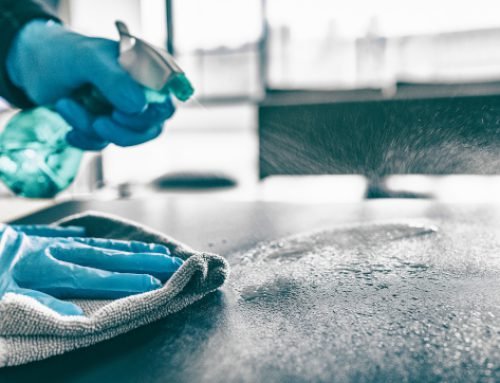
Grease residue often builds up on cabinets and surfaces near cooking areas.
Hygiene issues you cannot see
While grease itself is not bacteria, it creates conditions that make sanitation harder. Sticky surfaces hold food particles and moisture, which can lead to lingering odors and make disinfecting less effective. On high-touch points like cabinet handles and refrigerator doors, residue can interfere with proper surface contact during cleaning.
Over time, grease transfer during meal preparation can spread residue throughout the kitchen. Addressing buildup early keeps surfaces cleaner, reduces odors, and supports a healthier cooking environment.
Why kitchens never smell fully fresh
Old grease holds onto cooking smells, especially after frying or using strong spices. As the kitchen warms up again, trapped odors can resurface. Removing the residue itself, rather than masking the smell, is what restores freshness.
How grease affects common kitchen materials
Different surfaces respond differently to grease buildup. Some show it immediately, while others hide it until damage begins.
- Painted walls and trim: Grease dulls paint and attracts dust. Aggressive scrubbing may remove paint.
- Wood and laminate cabinets: Oils collect near seams and handles. Excess moisture can cause swelling.
- Stainless steel: Grease and fingerprints combine, causing streaks and haze.
- Tile and grout: Porous grout absorbs grease, darkening lines and reducing brightness.
- Glass and glossy finishes: Thin residue causes constant streaking despite frequent wiping.
Why strong degreasers can backfire
Heavy degreasers may work on metal but can dull cabinet finishes or leave residue behind. Matching the cleaning method to each surface helps remove grease safely while preserving appearance.
Struggling with sticky cabinets or streaked appliances?
Blue Drop Cleaning provides targeted kitchen grease removal that restores surfaces without damaging finishes.
Where grease hides in kitchens across CT and NY
Most kitchens have repeat grease zones that gradually spread residue throughout the space.
- Range hoods and undersides
- Vent filters
- Backsplash corners and grout lines
- Cabinet faces near the stove
- Top surfaces like refrigerators and upper cabinets
Ventilation makes a measurable difference
Using the range hood consistently and maintaining filters reduces airborne grease. Better airflow means less residue settling throughout the kitchen.

Professional cleaning focuses on grease-prone areas to restore cleanliness safely.
When grease becomes a recurring problem
If residue returns quickly, the cause is often clogged filters, poor ventilation, or leftover product residue. Missed areas like hood undersides or cabinet trim can continue spreading grease to nearby surfaces.
Resetting these source areas changes the entire feel of the kitchen and makes routine cleaning easier.
Ready for a kitchen that wipes clean again?
Our team helps homeowners across Connecticut and New York eliminate grease buildup so kitchens stay fresh, clean, and easier to maintain.
A practical takeaway
Kitchen grease buildup is a surface condition, not just a visual issue. With proper ventilation, surface-safe cleaning, and attention to hidden zones, homeowners can prevent sticky residue from taking over.
Kitchen grease buildup cleaning in Connecticut and New York protects finishes, supports hygiene, and restores the clean feel every kitchen should have.